Digital Attestations SOLUTIONS





Trusted attestations for secure digital interactions
Built on strong trust mechanisms, open data models and cryptographic protection, they reduce fraud risks, strengthen portability and enable the reliable exchange of attested information across sectors and borders.
The approach is designed to support not only qualifications and certifications, but also broader attestation use cases involving organisations, compliance-related information and other trusted digital assets
From issuance to verification, across the full attestation lifecycle
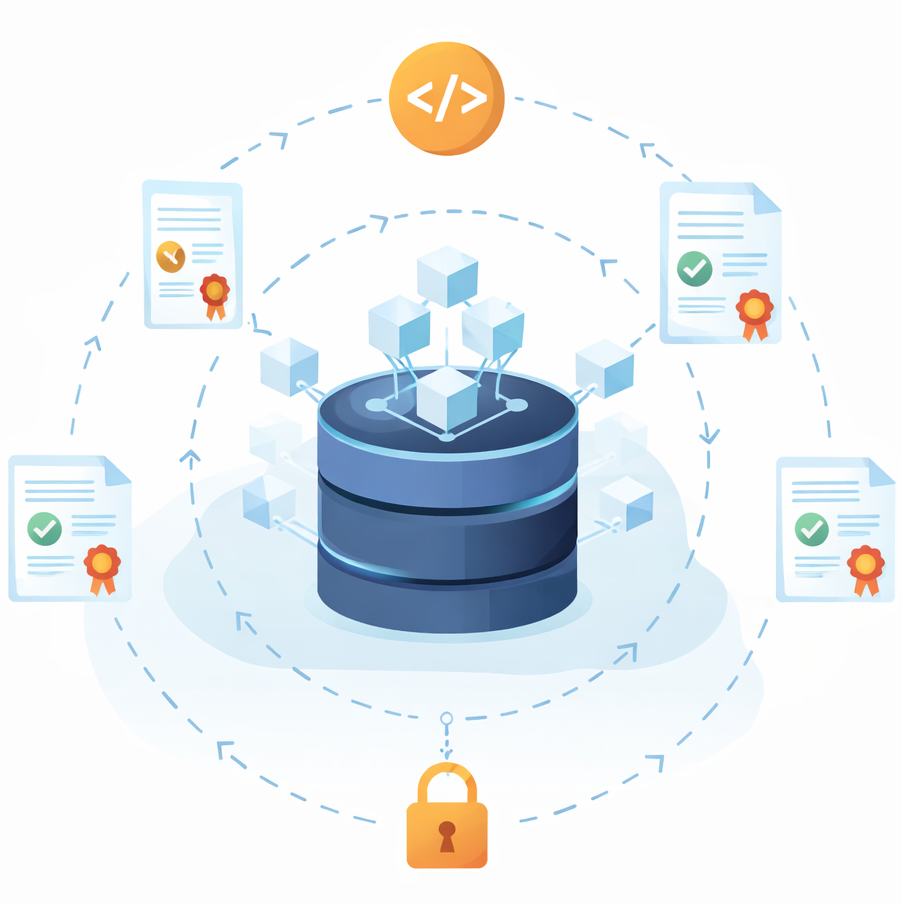
Our solutions support the full lifecycle of digital attestations, enabling trusted interactions between issuers, holders and relying parties through secure, interoperable and verifiable processes.
Secure Attestation Sharing
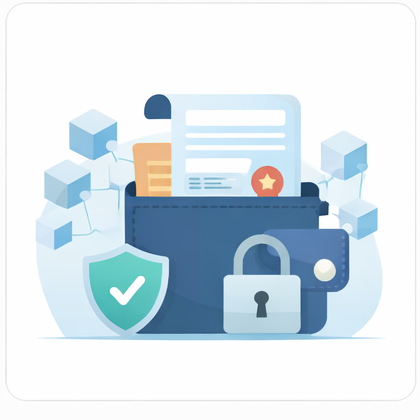
Holders can securely share digital attestations with third parties, enabling controlled disclosure and trusted data exchange.
Verification & Trust
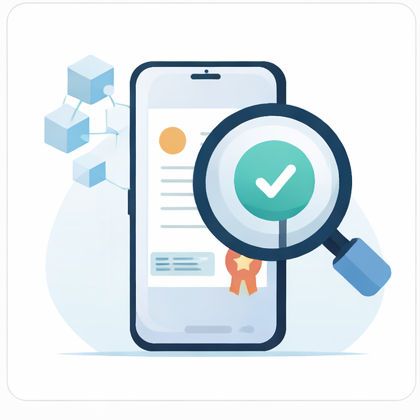
Verification mechanisms enable relying parties to validate the authenticity, integrity and origin of digital attestations in a reliable and independent way.
CORE CAPABILITIES
Digital attestations are built on verifiable trust mechanisms that support authenticity, integrity and portability of certified information.
Issuance

We support the issuance of digital attestations by trusted certification authorities through controlled and verifiable processes. Each attestation is cryptographically signed and linked to the issuing entity, providing proof of origin, supporting integrity of the data and a secure lifecycle aligned with defined governance and compliance rules.
Sharing
Our solutions enable holders to securely share digital attestations while maintaining granular control over disclosure. The sharing process ensures that only authorised recipients can access and use the attested information, preserving confidentiality and enabling trusted exchange of certified data across digital environments.
Verification
We enable independent and reliable verification of digital attestations through mechanisms that validate issuer identity, data integrity and ownership consistency. Verification can be performed through user-friendly services or direct validation processes, ensuring high levels of trust and resistance to fraud.
Trust Registry
Our solutions include trust registry capabilities that validate whether an organisation is authorised to issue specific attestations. This layer supports participation by verified certification authorities in the ecosystem, reinforcing trust, governance and compliance across all attestation processes.
Interoperability
We support interoperability through structured data models and attestation schemas, enabling consistent representation and exchange of certified information. Our approach is based on open standards and flexible data structures, supporting portability and compatibility across systems and sectors.

Blockchain-Based Wallet Service
Our digital attestation solutions are built on a blockchain-based wallet service designed to support trusted issuance, secure sharing and independent verification of certified information.
This model combines holder control, cryptographic protection and tamper-resistant trust mechanisms to enable portability and reduce fraud.


Selected Projects & Initiatives
UNESCO UQP REFUGEES
The UNESCO Qualifications Passport for Refugees and Vulnerable Migrants (UQP) is a key initiative designed to evaluate, map, and recognize the educational, professional, and vocational qualifications of refugees, even when supporting documentation is missing or incomplete.
More details
Council of Europe - EQPR
The European Qualifications Passport for Refugees is a standardized document that explains the qualifications a refugee is likely to have based on the available evidence.
The EQPR is a special international tool developed to assess refugee’s qualifications for which there is insufficient or missing documentation.
CIMEA ATTESTATIONS
CIMEA uses blockchain technology, including through the DiploMe platform, to issue statements of comparability and verification for academic qualifications, supporting integrity, security and international verification.
Find more